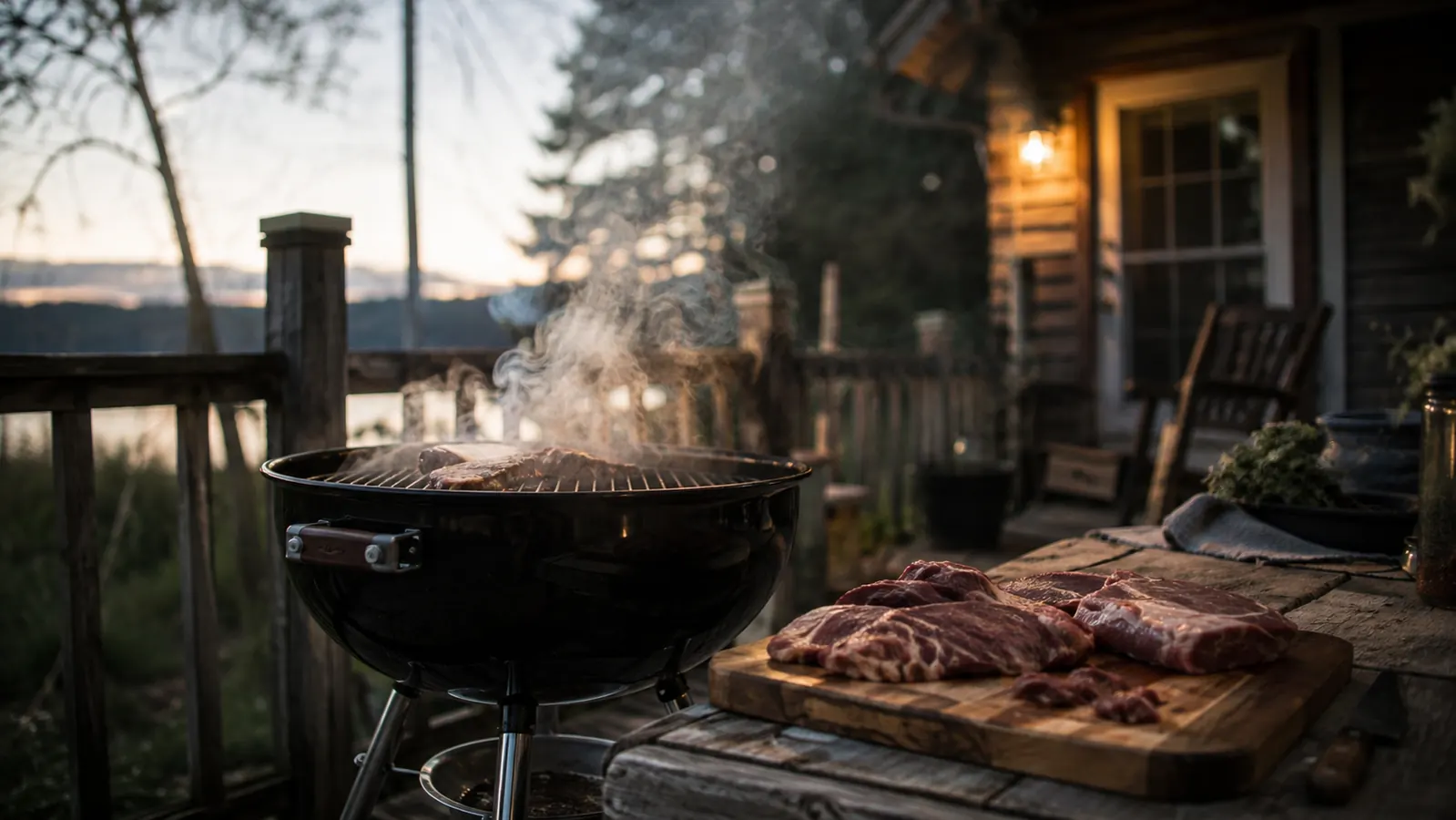
Every Sunday I set a pork butt on the offset and pretend I know what I am doing. For twenty-plus years on this same deck in Dahlonega, I cooked by feel. I also served a fair amount of overcooked meat that cost real money and hours of sleep. The TempPro TempSwift did not fix my patience or my fire management. It fixed the thing I could not see: what the inside of the meat was doing.
I am not here to sell you on probe thermometers in general. You probably know a fast reading beats shoving your knuckle into a roast. What took me a summer to learn is that the right one changes how you cook, not just when you pull food off the heat. These ten reasons are the ones that made me reach for it every single cook.
Stop Guessing and Start Reading the Meat
If this list sounds like your Sunday routine, the TempPro TempSwift is the tool I keep in my apron pocket. See today's price on Amazon and decide for yourself.
Amazon Check Today's Price on Amazon →One Second of Contact Replaces Twenty Minutes of Worry
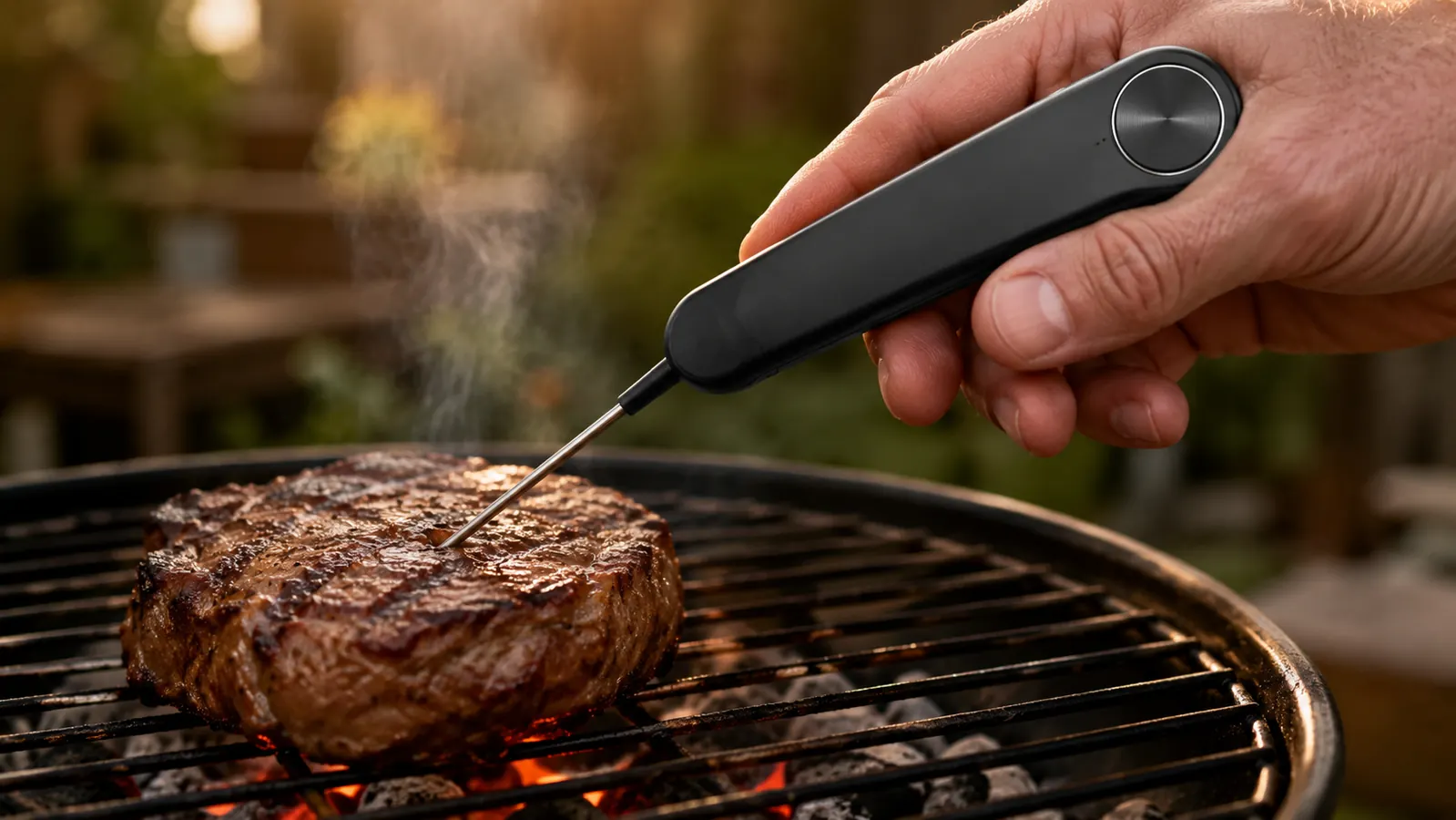
Before I had an instant-read thermometer, I judged a brisket by poking it and watching how the meat felt when I pushed on it. That skill took years to learn and it still failed me on wet days, windy days, and any day the flat was thinner than usual. A one-second reading removes the guesswork from that exact moment. You do not have to be born with a feel for meat. You press the probe in, wait one blink, and read a number. If it is not at target, you shut the lid and start your timer again instead of hoping.
Carryover Heat Stops Being a Mystery
Here is the reason most people overcook a roast: they pull it when the center hits the target, not when it will finish after resting. Carryover heat can add five to ten degrees to something large, especially a brisket or a pork shoulder. I used to pull at 205 and watch the temp climb past a good place. Now I pull at 198 or so, rest it, and trust it to land where I want. The thermometer is the only way to know the number is real and moving in the right direction. That one trick, more than any rub or wood choice, fixed my Sunday roasts.
You Stop Cooking by a Calendar
I spent a decade cooking by hours per pound. That formula gets you in the ballpark but it cannot see the difference between a marbled shoulder and a lean one, a full firebox and a dying bed of coals. Time tells you when you started, not what is happening inside. The thermometer tells you when it crosses from tough to tender. On my offset, some butts are done in nine hours and some take thirteen, regardless of what the books say. Now I stop fussing over the clock and let the number decide when dinner is ready. Sleeping better matters.
Chicken Goes From Gray to Actually Good
Chicken is the place most home cooks learn to hate their results. It is dry because you cook white meat until it no longer looks pink, which usually means 180 or 185. The TempPro reads a breast in one second, so you can pull it at 160 and let carryover finish it near 165. Dark meat still needs more time to render its connective tissue, somewhere around 175 to 180. Once you see the difference on the screen, you start cooking the two pieces to their own targets instead of one sad average. Good chicken became the easiest part of my Sunday cook.
The Fire Finally Behaves
An instant-read thermometer reads food, but it also tells you about your fire. When a pork shoulder stalls at 160 for three hours, the roast is not the problem. Yet without the number on the probe, I would panic, add more wood, and spike the cooker to 350. With the thermometer, I realize the meat is sitting exactly where it should sit. That lets me leave the vents alone and stop fighting the process. Cooking with a number is the difference between reacting and understanding your cooker.
Thin Cuts Stop Being a Coin Flip
Thin foods move too fast for a classic analog thermometer to own. A pork chop can go from pink to hopeless in the time it takes to wash a probe and try again. What makes this thermometer different is speed: about one second before the display steadies. You can check a chop, a steak, or a burger without holding the lid open long enough to lose heat. That speed is the difference between cooking a chop to 140 and cooking it to 160 by accident. Fast reads get used. Slow probes end up in a drawer.
Fewer Lid Lifts Means a Steadier Cook
Every time I cracked the lid on a charcoal kettle, I added ten or fifteen minutes to the cook. Old habits die hard, so I used to poke, peek, and rotate every half hour. An instant-read thermometer has the opposite effect if you use it right. You open the lid once, find the spot that reads lowest, take the number, and close it again. Fewer open lids means steadier temps, less wasted fuel, and fewer flareups. When the cook finally behaves, my whole Sunday schedule calms down with it.
It Teaches You How Your Actual Grill Behaves
After twenty years on the same back deck, I thought I knew my grill. The instant-read exposed what I did not. It showed me the cool spot near the top vent and the hot spot straight over the coals. Once I knew those imbalances, I could arrange meat to match. It also exposed when my fire was still climbing toward the right temperature. Those readings, day after day, taught me more about my kettle and offset than any online guide ever did. Your cooker will change your cook. A good probe gives you the details that keep dinner centered.
Cheaper Cuts Become Company Food
There is a group of thrifty cuts that only transform when they hit an exact internal range. Chuck roast, pork shoulder, and ribs need enough time to melt collagen, and they need a target you can trust. As soon as I could read the interior temperature, I started buying the less expensive roasts and cooking them low and slow, rather than always spending extra on a tender cut. The results look like something from a holiday spread. The thermometer turned my ordinary weekday meat into the piece of the meal people ask about.
It Earns Its Spot Next to the Cast Iron
This is not a set-and-forget gadget. You have to hold it, insert it, and look at it each time, so it forces you to be part of the cook. That is why the TempPro has stayed in my apron pocket for years. It wears out eventually, the probe gets nicks, and you have to replace the battery. But it never has software to update and no recipe subscription to think about. It does one job, and it does it plainly. For someone who wants honest tools that last more than two seasons, that is the best kind of kitchen gear.
What I'd Skip
I would skip this thermometer if you only cook low and slow while you nap in a lawn chair. For unattended cooks, you want a leave-in probe with an alarm that talks to you from the house. I would also skip it if you hate gadgets that need a battery or a backlight. And if you only grill hot dogs and burgers once a month, a one-second read is more tool than you need. Buy the instant-read when you are actively cooking over fire and you actually want the number in your hand. That is exactly when it earns its place.
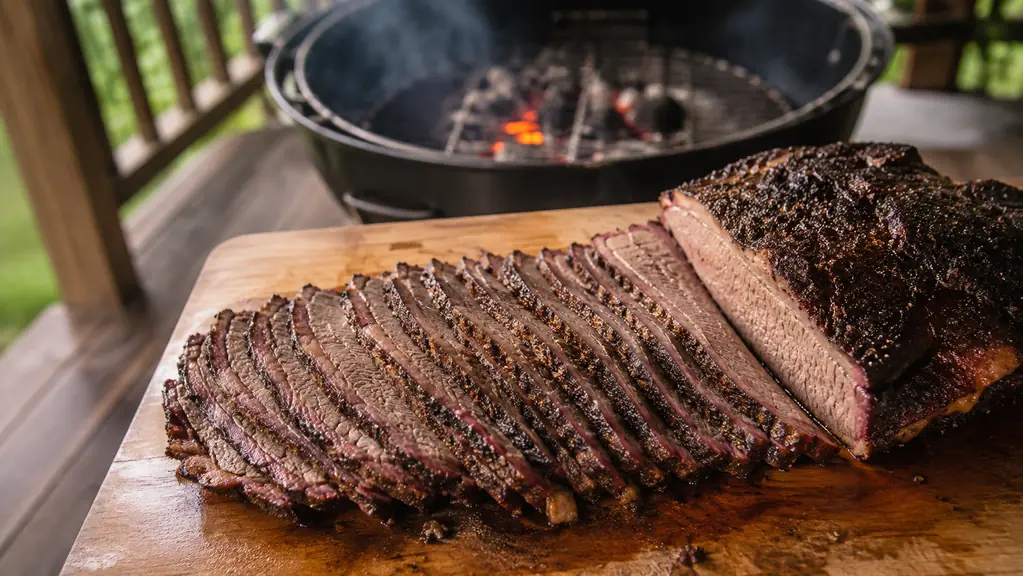
Pulling a brisket on the number instead of the clock took me from guessing to knowing, and knowing changed every Sunday after it.
The Last Guessing Tool You Will Buy
If you are tired of slicing into dry chicken and pulling roasts too late, this is the plain fix. No app, no subscription, just a fast reading you can act on. Check today's price on Amazon and put it near your tongs.
Amazon Check Today's Price on Amazon →